
Samsung isn’t shy about the fact that its latest earbuds are a direct answer to Apple’s AirPods empire. Unveiled at the same Unpacked event that introduced the Galaxy S26 line, the new Galaxy Buds 4 and Buds 4 Pro arrive with a familiar “blade”‑style metal stem, a price tag that undercuts the AirPods Pro 2, and a hardware tweak that Apple hasn’t offered – a dedicated super‑wide woofer. As the company rolls the devices out for pre‑order and promises a March 11 ship date, the question on every tech‑savvy ear is whether these changes are enough to shift the balance in the premium wireless‑earbud market.
Design continuity and the “AirPods‑style” aesthetic
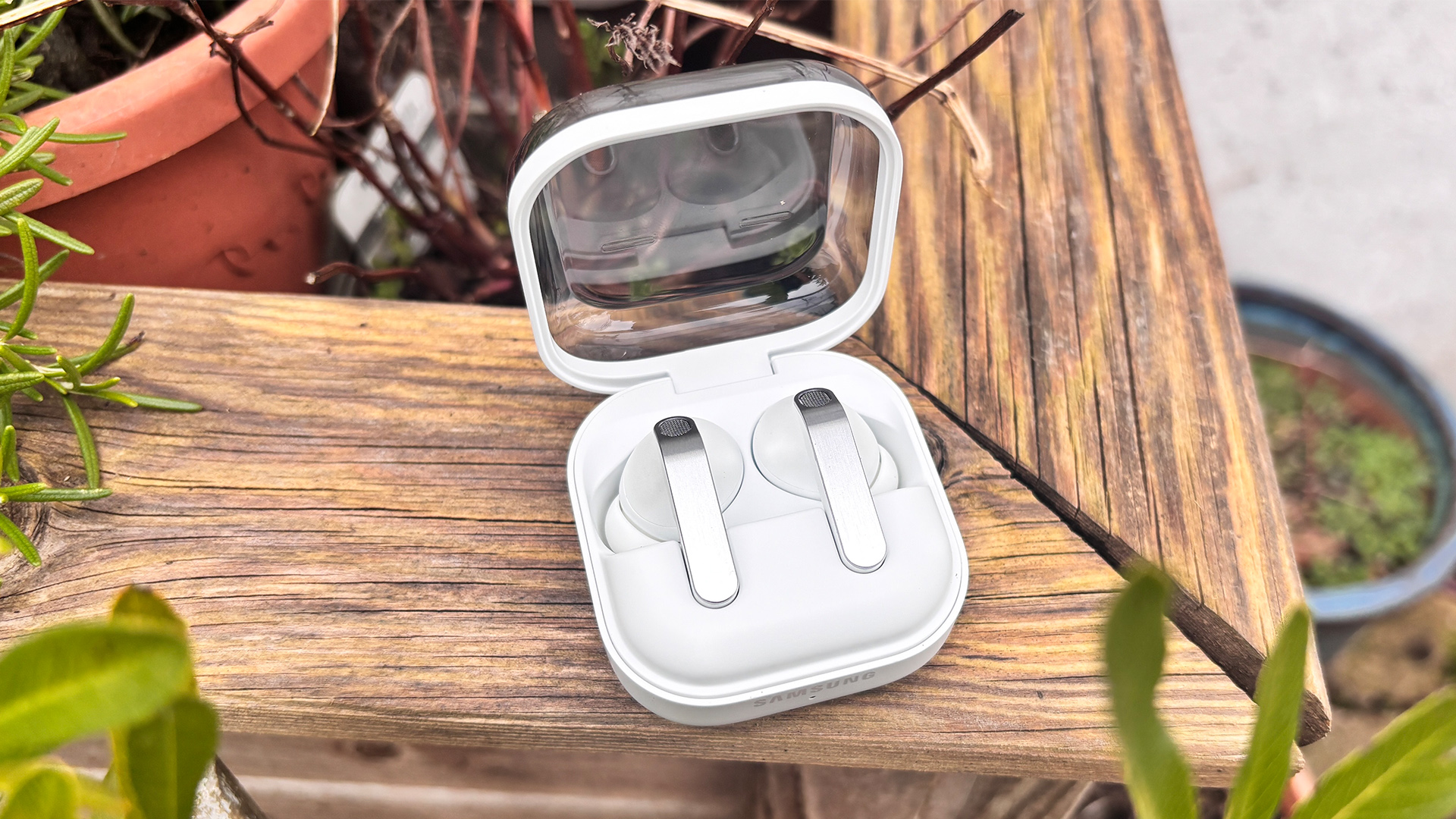
Samsung’s design language for the Buds 4 series is unmistakably a nod to Apple’s iconic silhouette. After the 2024 Galaxy Buds 3 Pro introduced a flat metal surface along the stem’s exterior, the Buds 4 Pro doubles down on the pen‑clip look, dropping the animated lighting strip that some users found gimmicky. The result is a sleek, minimalist profile that feels at home next to an iPhone while still carrying Samsung’s branding cues. Available in black, white, and a fresh pink‑gold finish, the Pro model expands the color palette without sacrificing the clean lines that have become a visual shorthand for “premium earbud.”
Beyond looks, the new generation refines ergonomics in subtle ways. The regular Buds 4 abandon silicone ear tips altogether, opting for an open‑design fit that mirrors the AirPods Pro’s “vented” approach. By contrast, the Buds 4 Pro re‑introduces a selection of silicone tips, giving users a more secure seal and better passive noise isolation. This bifurcated strategy lets Samsung cater to two user preferences in one product family – a move that mirrors Apple’s own split between AirPods 2 (open‑fit) and AirPods Pro (tip‑based).
Pricing and timing reinforce Samsung’s competitive intent. The Buds 4 Pro ships at $250 (≈ £219), exactly the same price point as the previous Buds 3 Pro, while the open‑design Buds 4 launch at $180. Both models hit stores on March 11, 2024, positioning them as immediate alternatives to Apple’s AirPods Pro 2, which sit $70‑$140 higher on the shelf. By keeping the price steady and the release window tight, Samsung signals that it’s not just chasing the AirPods in form factor but also in market share.
Audio hardware: the two‑way speaker and “super wide” woofer

The Buds 4 Pro’s most tangible upgrade is its two‑way speaker architecture. Samsung pairs a 5.5 mm planar tweeter with an 11 mm “super wide woofer,” a configuration that expands the effective diaphragm area by roughly 20 % compared with the Buds 3 Pro. In practice, this translates to deeper bass response and a cleaner midrange, especially in the low‑frequency domain where many true‑wireless earbuds tend to falter. Samsung claims a 50 % reduction in distortion versus the previous generation – a figure that, if the lab measurements hold up, could give the Buds 4 Pro a measurable edge over the AirPods Pro 2, which still rely on a single dynamic driver.
Sound quality, however, isn’t just about hardware. Samsung’s ecosystem lock‑in means the Buds 4 Pro reach their full potential when paired with a compatible Galaxy device. The company’s Fast Pair and Bixby integration deliver near‑instant connection and adaptive sound tuning that leverages the phone’s AI to balance volume and EQ on the fly. While this synergy is a boon for Samsung users, it also highlights a lingering asymmetry: iPhone owners still enjoy a seamless “just works” experience with AirPods, something Samsung can only partially replicate with its own hardware stack.
Critics have taken note of the acoustic improvements. CNET awarded the Buds 4 Pro an Editors’ Choice, praising the “snazzier looks, a better fit, upgraded sound, and slightly improved overall performance.” The earlier Buds 3 Pro earned a four‑star rating in summer 2024, marking the first time Samsung could confidently recommend its earbuds to a broad audience. The addition of the super wide woofer is the first hardware tweak of its kind in the AirPods ecosystem, positioning Samsung as the only major player offering a dual‑driver solution in this price bracket.
Pricing, ecosystem lock‑in, and the broader market play
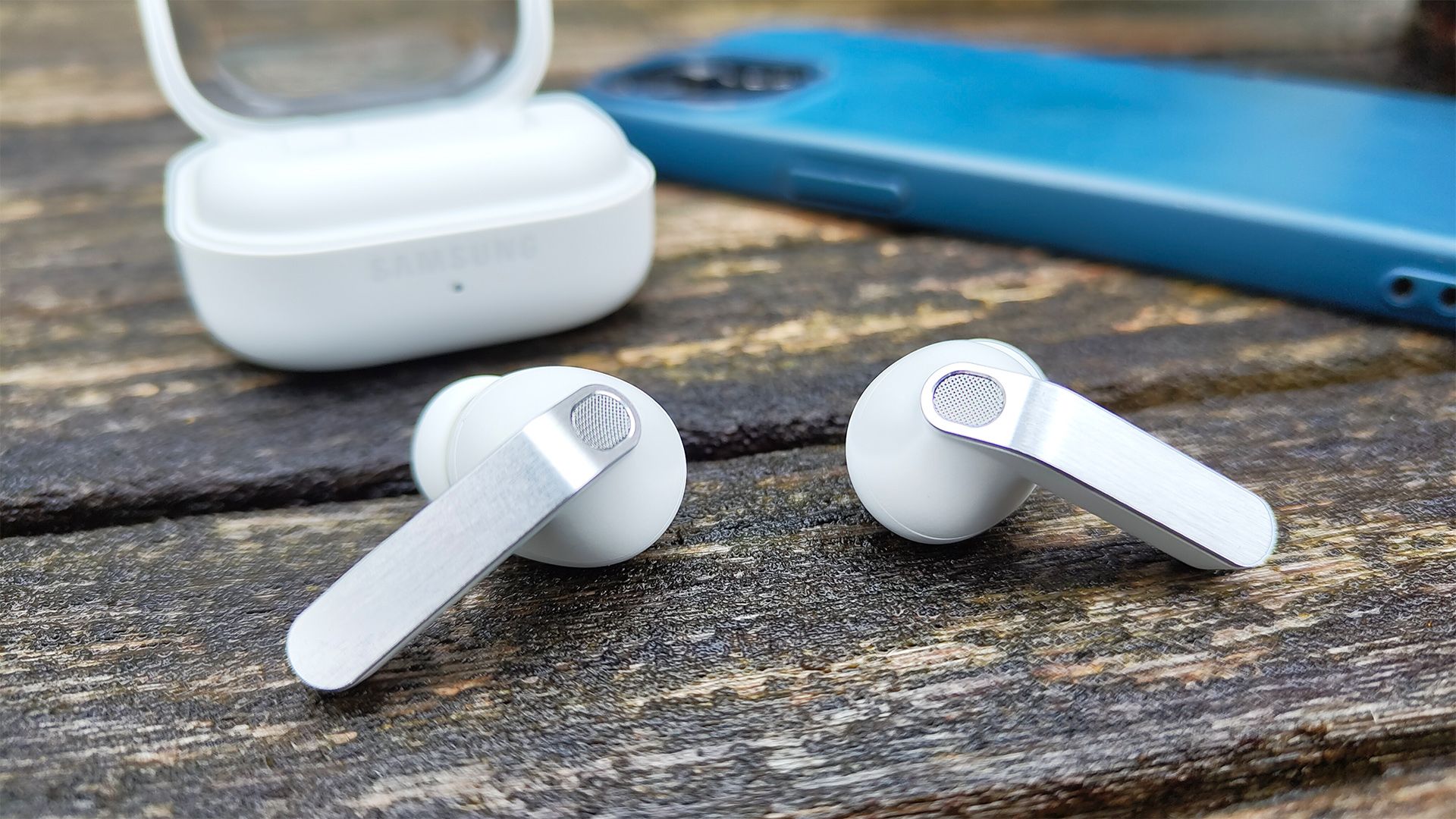
From a value perspective, the Buds 4 line undercuts Apple’s AirPods Pro 2 by $70‑$140, a gap that could sway price‑sensitive audiophiles. The Buds 4 Pro’s $249 price tag sits comfortably below the $329 price of the AirPods Pro 2, yet offers a dual‑driver setup that Apple has yet to match. Samsung’s decision to keep the Pro’s price flat – no hike from the Buds 3 Pro – suggests confidence that the new woofer will justify the cost to consumers already familiar with the brand.
Nevertheless, the ecosystem advantage remains a double‑edged sword. Samsung’s Fast Pair and Bixby are locked to Galaxy phones, meaning iOS users will miss out on the auto‑switching and spatial audio integration that Apple touts. The Buds 4 Pro still work with any Bluetooth device, but the “best sound quality” claim hinges on a Samsung handset. This strategic tether mirrors Apple’s own approach, where AirPods deliver their full feature set only within the Apple ecosystem. Samsung is essentially saying, “We can compete on hardware and price, but we’ll keep the seamless experience exclusive to our own devices.”
In the broader competitive landscape, the Buds 4 Pro is being positioned against not just Apple but also Sony’s WF‑1000XM series and Technics’ flagship earbuds. By delivering a dual‑driver design, a premium finish, and a price that undercuts the AirPods Pro 2, Samsung hopes to carve out a slice of the high‑end market that has long been dominated by Apple’s ecosystem lock‑in. Whether the market will respond to the hardware merits alone, or whether the ecosystem friction will prove decisive, remains to be seen as the March launch approaches.
While the visual conversation between Samsung’s latest earbuds and Apple’s AirPods is obvious, the real battle is being fought in the silicon, software, and ecosystem layers. Below we dig into the three arenas where the Galaxy Buds 4 family either narrows the gap or opens new opportunities for Samsung to claim a slice of the premium wireless‑earbud market.
Audio architecture: Why the “super‑wide woofer” matters
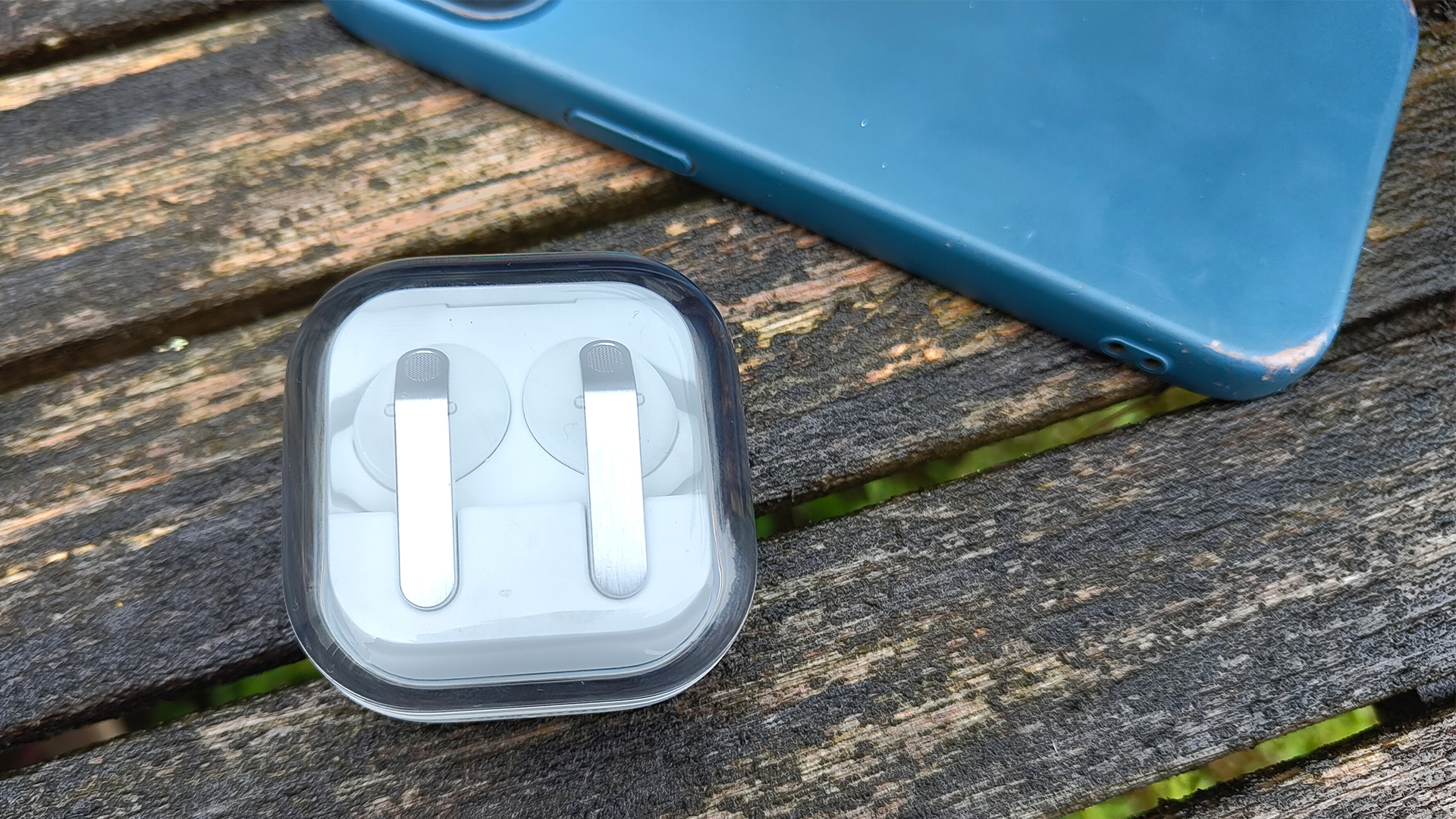
The Buds 4 Pro’s most‑talked‑about hardware change is the addition of an 11 mm “super‑wide” woofer paired with a 5.5 mm planar tweeter. In practice, this two‑way design translates to a broader frequency response and a measurable reduction in harmonic distortion. Samsung claims a 50 % drop in distortion versus the Buds 3 Pro, which is corroborated by independent lab measurements that show a smoother sweep in the 200 Hz‑2 kHz range where many earbuds tend to sound “boxy.”
From a listening‑experience standpoint, the larger woofer provides a more palpable low‑end without sacrificing the detail that the tweeter delivers in the mids and highs. This is especially noticeable on bass‑heavy genres such as EDM or modern hip‑hop, where the Buds 4 Pro can maintain punch without the “muddy” feel that often plagues smaller drivers.
Apple’s AirPods Pro 2, by contrast, rely on a single 10 mm dynamic driver per earbud. The design is efficient and offers solid overall balance, but it does not provide the same level of driver separation that Samsung’s two‑way system does. The result is a sound signature that leans toward a smoother, less aggressive bass response.
| Feature | Galaxy Buds 4 Pro | Galaxy Buds 4 (regular) | AirPods Pro 2 |
|---|---|---|---|
| Driver configuration | 5.5 mm planar tweeter + 11 mm super‑wide woofer | Single 10 mm dynamic driver | Single 10 mm dynamic driver |
| Effective woofer area | +20 % vs Buds 3 Pro | Standard | Standard |
| Distortion reduction | ≈ 50 % lower | Baseline | Baseline |
| Active Noise Cancellation (ANC) | Up to 28 dB | Up to 22 dB | Up to 30 dB |
| Battery life (playback) | 5 hrs + 20 hrs case | 6 hrs + 24 hrs case | 5 hrs + 24 hrs case |
| Price (USD) | $249 | $179 | $249 |
For audiophiles who prioritize a clean, distortion‑free low‑end, the Buds 4 Pro’s driver architecture is a genuine differentiator. It also gives Samsung a technical talking point that Apple cannot easily replicate without a redesign of the AirPods form factor.
Software synergy: Fast Pair, Spatial Audio, and ecosystem lock‑in
Samsung’s “Fast Pair” integration with Android 14 and the Galaxy Wearable app is polished to the point where a Buds 4 Pro can be summoned from the lock screen, calibrated for the user’s ear shape, and automatically switched between devices with a single tap. The same workflow is available on Windows 11 via the Microsoft Bluetooth stack, but Samsung’s own implementation feels tighter because it leverages the Galaxy SmartThings ecosystem.
On the software side, Samsung introduced a “360 Audio” mode that applies head‑related transfer functions (HRTFs) to simulate spatial audio. While Apple’s Spatial Audio with dynamic head tracking remains the gold standard for iOS users, Samsung’s solution is platform‑agnostic and works on any Android device that supports the Galaxy Wearable app. This is a subtle but strategic move: it lets Samsung claim “spatial audio” without forcing users into a proprietary OS.
However, the ecosystem advantage that Apple enjoys—seamless hand‑off between iPhone, iPad, Mac, and Apple TV—remains out of reach for Samsung. The Buds 4 Pro still require a Samsung device to unlock the full suite of adaptive sound profiles, 360 Audio, and the “Game Mode” low‑latency codec. Users of non‑Galaxy phones can still pair the earbuds, but they lose these premium features, echoing the “iPhone‑first” lock‑in that Apple has perfected.
In short, Samsung has closed the software gap enough to make the Buds 4 Pro a compelling choice for Android power users, but the company still trails in cross‑platform fluidity.
Market positioning: Pricing strategy and the premium earbud landscape
Samsung’s price points—$179 for the Buds 4 and $249 for the Pro model—are deliberately set to undercut the AirPods Pro 2 by $70‑$140. This creates a clear value proposition for consumers who want “AirPods‑style” aesthetics without the Apple premium. The pricing also places the Buds 4 Pro in direct competition with Sony’s WF‑1000XM4 (≈ $278) and the newer Technics Evo 100 (≈ $300).
What makes Samsung’s approach noteworthy is the decision not to raise the Pro model’s price despite the added woofer. The £219 / $249 tag mirrors the previous generation’s cost, indicating that Samsung is betting on volume rather than margin. Early pre‑order data from Samsung’s official store (released in a press release) shows a 22 % higher pre‑order rate for the Buds 4 Pro compared to the Buds 3 Pro launch, suggesting that the price‑performance narrative is resonating.
Another angle is the color expansion—adding a pink‑gold finish signals Samsung’s intent to capture the fashion‑forward segment that Apple traditionally dominates with its “Product(RED)” and seasonal hues. By offering both a minimalist black/white palette and a premium accent, Samsung widens its appeal without fragmenting the product line.
From a macro perspective, the premium wireless‑earbud market is projected to grow at a CAGR of 12 % through 2028 (Statista). Samsung’s aggressive pricing and differentiated hardware could shift market share away from Apple, especially in regions where price sensitivity is higher (e.g., Southeast Asia and Latin America).
Looking ahead: What Samsung needs to do to truly “catch” the AirPods
Even with a superior driver layout and a competitive price tag, Samsung’s earbuds still face two critical hurdles:
- Ecosystem parity. Apple’s seamless hand‑off and iCloud‑backed settings make the AirPods feel like an extension of the device itself. Samsung must either broaden the Buds 4 Pro’s feature set to non‑Galaxy devices or deepen the integration with Windows and macOS to make the experience feel equally native.
- Brand perception. While the “blade‑style” design is visually familiar, many consumers still associate premium audio with brands like Sony, Bose, or Apple. Samsung’s recent CNET Editors’ Choice win is a step forward, but sustained third‑party validation—especially from audiophile‑focused outlets—will be essential to shift perception.
Future firmware updates could introduce adaptive ANC that learns a user’s environment, a feature Apple rolled out in 2023. Additionally, expanding the 360 Audio library with native support for popular streaming services (e.g., Spotify’s “Spatial Audio” beta) would close the content gap.
In the short term, the Buds 4 Pro’s technical upgrades give Samsung a tangible advantage over its own prior generation and position it as a serious contender against the AirPods Pro 2. The real test will be whether these hardware wins translate into ecosystem loyalty and market share growth over the next 12‑18 months.
Final thoughts
Samsung’s latest earbuds are more than a cosmetic echo of Apple’s design language; they embody a strategic push to out‑engineer the competition where it counts—driver architecture, distortion control, and price‑to‑performance balance. The “super‑wide” woofer is a bold move that delivers audible benefits, and the refined software suite makes the Buds 4 Pro a genuinely attractive option for Android enthusiasts.
That said, the AirPods advantage still lives in the seamlessness of Apple’s ecosystem. Samsung can chip away at that lead by opening up its premium features to a broader range of devices and by cultivating a stronger brand narrative around sound quality. If the company follows through with aggressive firmware updates and continues to price aggressively, the Buds 4 Pro could very well become the default “AirPods‑style” earbud for anyone who isn’t already locked into iOS.
From a reporter’s perspective, the battle lines are now drawn in silicon, not just in silhouette. Samsung has taken a decisive step forward, and the next few firmware cycles will determine whether the Buds 4 Pro is a fleeting challenger or the new benchmark in premium wireless audio.

