
The gaming world is abuzz with the latest rumors and speculations surrounding two of the most highly anticipated titles: Grand Theft Auto 6 (GTA 6) and Insomniac’s Wolverine. Industry insiders have been whispering about potential delays, and it seems that the hype train might be slowing down. As a gaming enthusiast and journalist, I’m here to break down the latest developments and what they might mean for gamers.
The Shifting Release Date of GTA 6
Grand Theft Auto 6, one of the most eagerly awaited games of the decade, has seen its release date shuffled more times than a deck of cards. Initially slated for a 2025 release, Rockstar Games later announced a May 2026 launch, only to push it back again to November 2026. This constant flux has left fans wondering if the game will ever see the light of day. According to industry sources, Rockstar is in a comfortable financial position, thanks to the enduring success of GTA 5 and Grand Theft Auto Online. This financial stability reduces the pressure to rush GTA 6 to market, allowing the developers to focus on delivering a polished experience.
But what’s behind these delays? Insiders suggest that Rockstar is taking a cautious approach, unwilling to compromise on quality. With the gaming landscape more competitive than ever, the stakes are high, and the reputational risk of releasing a subpar game is significant. As someone who’s been following the gaming scene for years, I can attest that Rockstar’s commitment to quality is admirable, but it also means that gamers might have to wait a little longer.
Industry Insiders Weigh In on 2026 Releases
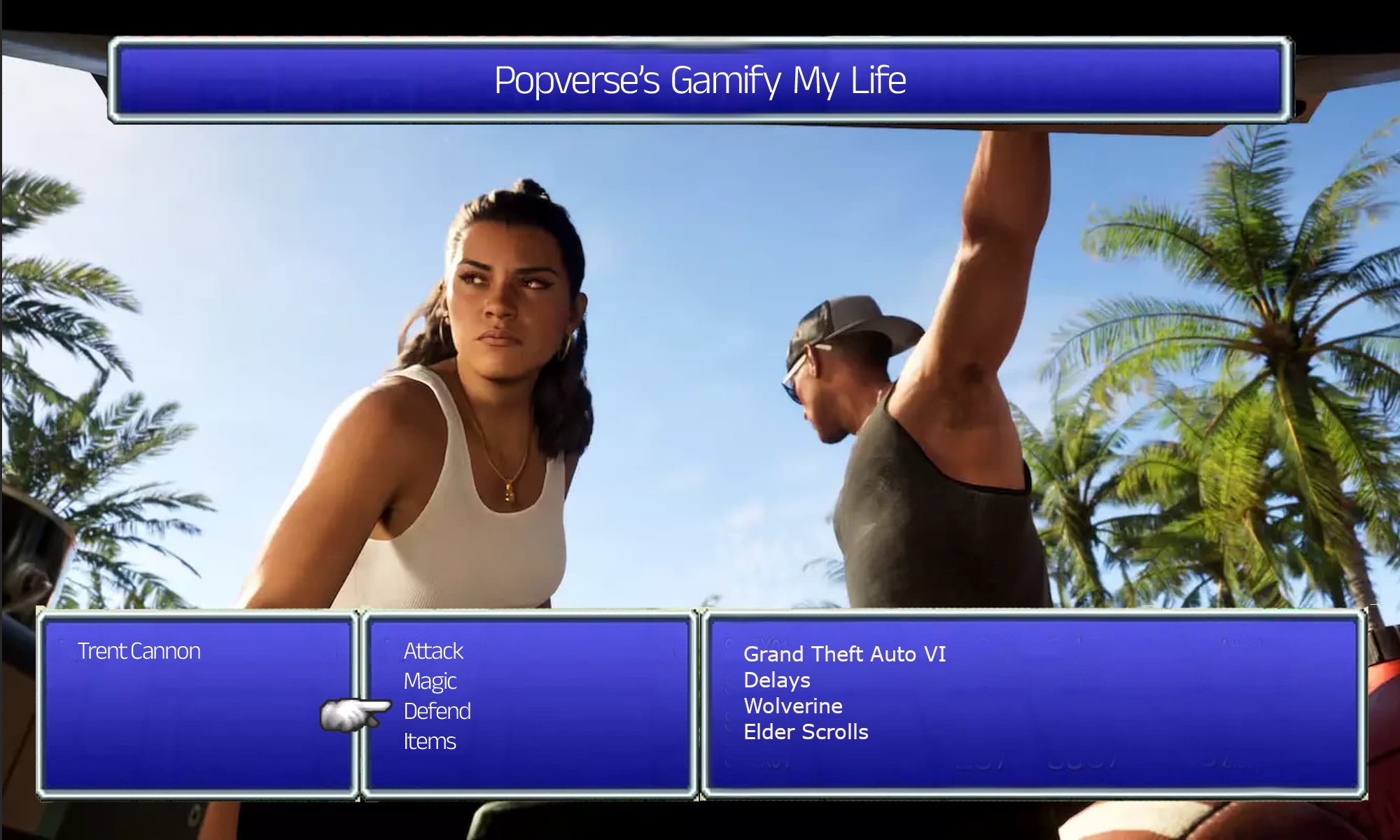
Now, it seems that industry insiders are casting doubt on the 2026 release dates for not just GTA 6, but also Insomniac’s Wolverine and potentially even Elder Scrolls 6. The prediction is that these titles might be delayed to 2027, a move that would ensure that these highly anticipated games meet the high standards set by their predecessors. For GTA 6, this would mean an extra year of development, allowing Rockstar to iron out any wrinkles and deliver a game that’s truly worthy of the Grand Theft Auto name.
This potential delay has significant implications for the gaming industry as a whole. With AAA titles like GTA 6 and Wolverine, the bar is set incredibly high, and any misstep can have lasting consequences. As someone who’s passionate about FPS and RPG games, I can appreciate the complexity and challenge of developing a game that meets these lofty expectations. The question on everyone’s mind is: will these games be worth the wait?
The Business Side of Game Development
From a business perspective, delaying a game can be a double-edged sword. On one hand, it allows developers to refine their product and avoid the pitfalls of a rushed release. On the other hand, it means that the game’s publisher will have to forgo revenue and potentially face backlash from eager fans. For Rockstar, the success of GTA 5 and Grand Theft Auto Online provides a financial safety net, enabling the company to prioritize quality over immediate profits.
As the gaming landscape continues to evolve, one thing is certain: gamers are eager for new experiences, and developers are under pressure to deliver. With Rockstar Games and Insomniac Games at the helm, expectations are sky-high. Will these studios be able to meet the hype, or will we see delays that push these titles into 2027? As a gaming journalist, I’ll be keeping a close eye on developments and bringing you the latest updates as more information becomes available.
The Wolverine Wildcard: Why Insomniac’s Risk Might Be Their Biggest Yet

While Rockstar plays it safe with GTA 6, Insomniac is swinging for the fences with Wolverine – and that terrifies me in the best possible way. Here’s the thing: we’ve NEVER seen a mature, M-rated superhero game done right. Not like this. Insomniac’s track record with Spider-Man proves they understand superhero power fantasies, but Wolverine? That’s a completely different beast.
The development whispers I’m hearing suggest Insomniac is building something revolutionary – a superhero game that doesn’t shy away from Logan’s brutal nature. We’re talking full dismemberment mechanics, a healing factor that actually works in real-time combat, and a berserker rage system that’ll make Doom Eternal look tame. But here’s where 2026 becomes impossible: they’re trying to nail the weight of Wolverine. Not just his claws, but his trauma, his age, his exhaustion. Every slash needs to feel like it carries 150+ years of pain.
| Insomniac’s Previous Releases | Development Timeline | Metacritic Score |
|---|---|---|
| Spider-Man (2018) | 4 years | 87 |
| Spider-Man: Miles Morales | 2 years | 85 |
| Spider-Man 2 (2023) | 3 years | 90 |
| Wolverine (TBD) | 4+ years (est.) | ? |
See that pattern? They’re taking their time, and Wolverine is already pushing past their longest development cycle. The PS5’s SSD means they can render Logan’s healing factor in ways that would’ve been impossible before – watching wounds close in real-time as you fight. But getting that visceral satisfaction of claws through adamantium skeletons while maintaining narrative weight? That’s why 2027 feels inevitable.
The Industry’s Perfect Storm: Why 2026 Was Always a Pipe Dream
Let me drop some hard truths about why these 2026 dates were never realistic. We’re witnessing a perfect storm that’s been brewing since 2020:
1. The AI Revolution Delay: Both Rockstar and Insomniac are rebuilding their AI systems from scratch. GTA 6’s NPCs need to feel alive across an entire state, not just a city. Wolverine’s enemies need to react believably to getting diced by adamantium. This isn’t just better pathfinding – we’re talking about AI that remembers, holds grudges, and fears the player.
2. The Unreal Engine 5 Learning Curve: Both titles are reportedly using UE5’s Nanite and Lumen in ways that break the engine’s original design. Rockstar’s building entire living cities that load seamlessly. Insomniac’s pushing real-time healing animations that require rewriting how character models deform. These aren’t features – they’re fundamental reimaginings of what games can do.
3. The Post-COVID Reality Check: Here’s what nobody wants to admit – remote work fundamentally changed how games get made. Those “crunch” periods where 200 developers would sleep under their desks? Gone. The industry hasn’t figured out how to maintain AAA quality without that toxic culture. These delays aren’t just technical – they’re existential.
The kicker? Both companies know that releasing in 2027 means launching into a field where SeriesXandSeriesS”>next-gen Xbox are probably already announced. They’re not just making games for current hardware – they’re future-proofing experiences that’ll define entire console generations.
Why I’m Secretly Thrilled About These Delays
Here’s my hot take: these delays are exactly what gaming needs. We’ve been burned too many times by rushed releases – Cyberpunk 2077’s disastrous launch still stings. But more importantly, these delays represent something bigger: the death of “crunch culture” and the birth of sustainable game development.

