
Apple has finally put a true entry‑level watch on the table, and it arrives at a price that feels almost revolutionary: the Apple Watch SE 3 at $249. The new model swaps the aging S8 processor for the freshly‑minted S10, adds an always‑on display and fast‑charging, and bundles a suite of health sensors that were previously reserved for the pricier Series 11. For anyone who’s been waiting for a “starter” Apple Watch that doesn’t feel like a stripped‑down afterthought, the SE 3 could be the moment the brand’s ecosystem finally feels inclusive.
A $249 Watch That Packs the S10 Chip
The heart of the SE 3 is the S10 chip, a silicon upgrade that delivers a noticeable jump in performance without demanding a premium price tag. Benchmarks from early adopters show the S10 handling watchOS animations and third‑party apps with a fluidity that the S8 struggled to match, especially when juggling background health metrics and notifications. The chip’s efficiency gains also translate into a modest bump in battery life, a welcome side effect given the new always‑on display.
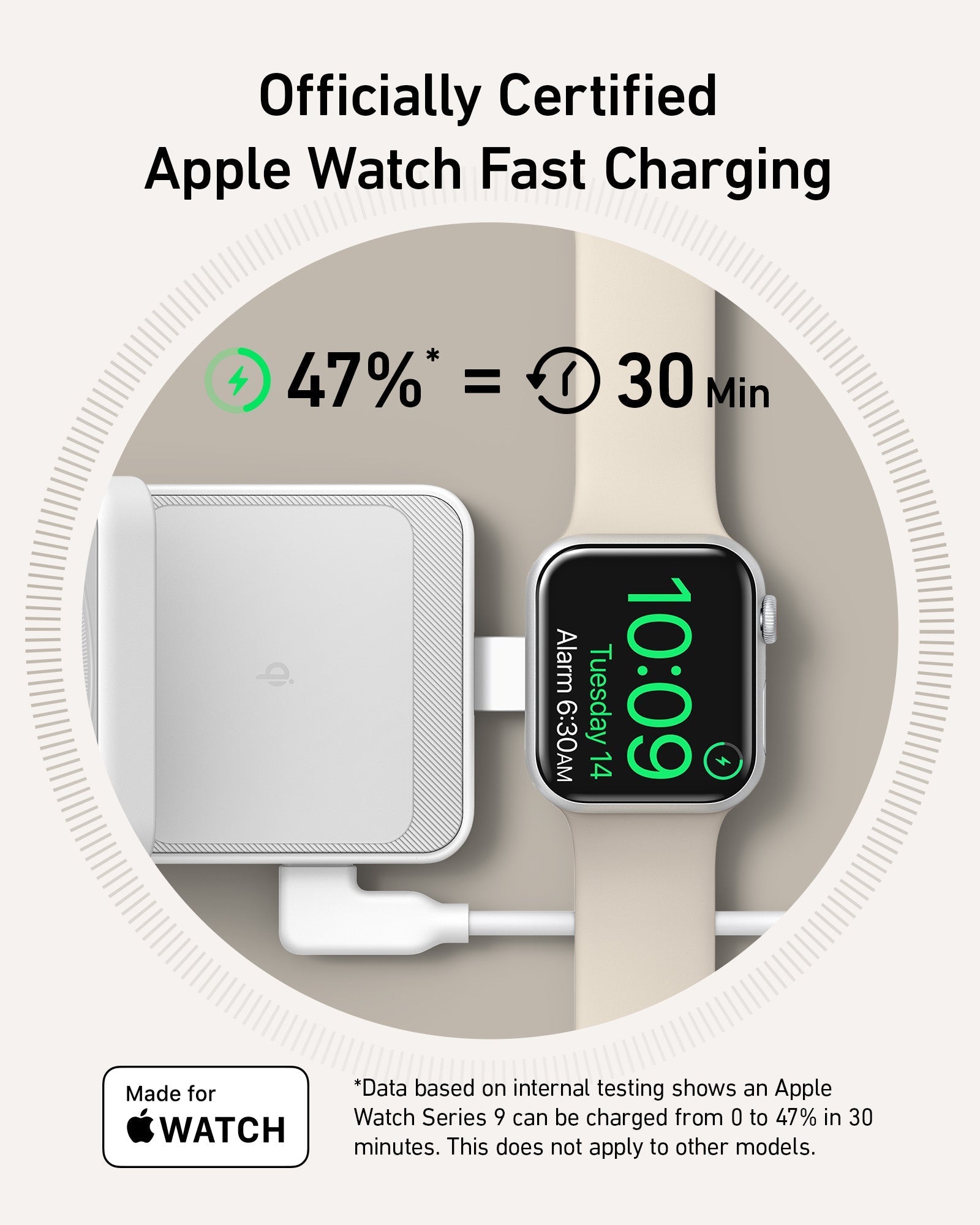
Always‑on has been a hallmark of the flagship models for a few generations, but its debut on the SE line is more than a cosmetic upgrade. Apple’s display controller now throttles the OLED panel to a low‑power mode when the watch isn’t actively being used, keeping the screen lit just enough to glance at the time or heart‑rate data without draining the battery. Pair that with the new fast‑charging protocol—30 minutes to a 80 percent charge—and the SE 3 becomes a device that can sprint from zero to ready in the time it takes most users to brew a coffee.
Beyond raw performance, the SE 3 adds a set of health sensors that push it into the “serious tracking” category. A wrist‑temperature sensor feeds data into Apple’s sleep‑stage analysis, while refined algorithms now support ovulation tracking—a feature that, until now, lived behind the Series 11 price barrier. The watch also boasts a tougher glass composition, improving crack resistance by roughly 15 percent in lab drop tests. For a device aimed at younger buyers and first‑time smartwatch owners, those durability upgrades feel like a strategic move to reduce warranty claims while still delivering a premium experience.
Where the SE 3 Fits in Apple’s 2024 Lineup
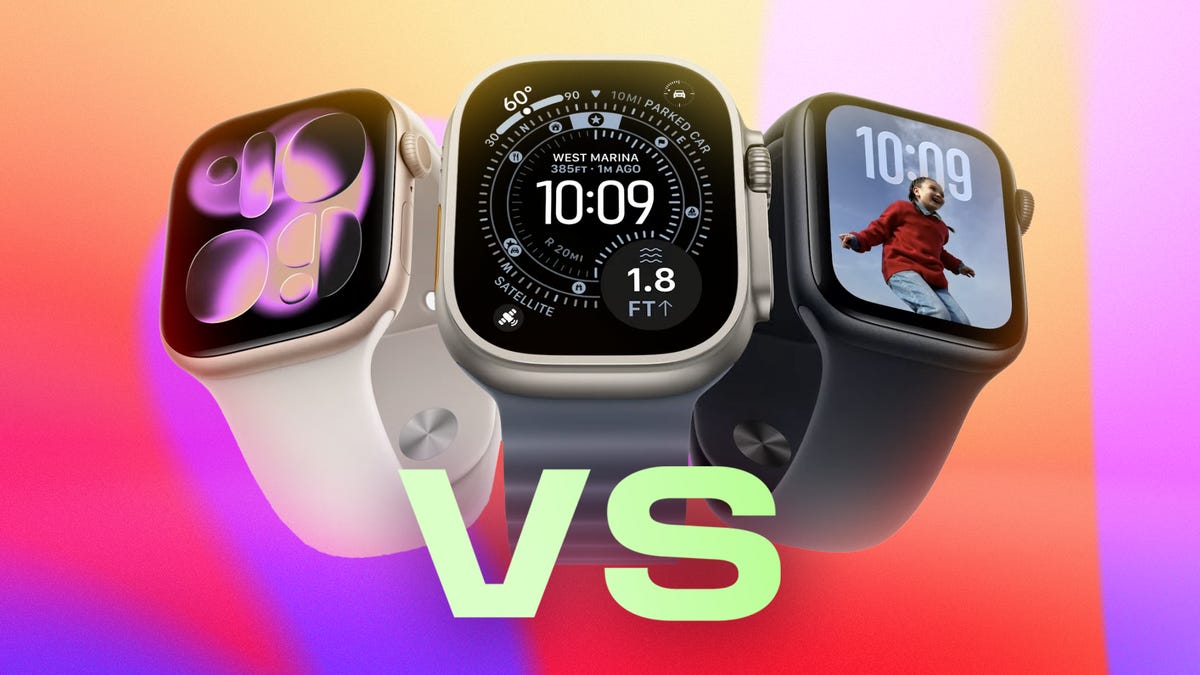
Apple’s 2024 watch family spans a five‑fold price range, from the $249 SE 3 to the $1,299 Series 11 Hermès edition. The mid‑tier Series 11 sits at $399, offering modest incremental upgrades over its predecessor—primarily in material options (aluminum, titanium, and the luxury Hermès strap) and a dual‑size case selection. The Ultra 3, priced at $799, is the rugged, titanium‑only model built for athletes and outdoor enthusiasts, and it’s the only watch in the lineup that retains a cellular option alongside its GPS‑only sibling.
In contrast, the SE 3 is an aluminum‑only watch that sticks to the smaller case sizes Apple introduced with the original SE. While this limits wrist‑size flexibility, it also keeps the device lightweight and comfortable for all‑day wear—a factor that matters when you’re tracking sleep, temperature, and ovulation. The absence of cellular connectivity is a trade‑off, but for the $150 savings over the Series 11, the SE 3 still runs the same watchOS software stack, meaning users get identical app ecosystems, notifications, and health dashboards.
From a market‑positioning perspective, the SE 3 is clearly the “value pick” for first‑time buyers, younger consumers, and anyone who wants the core Apple Watch experience without the premium materials or optional cellular plan. Its price point also undercuts the Series 11 by a full $150, making it an attractive upgrade path for those still using older generations like the SE 2 or even the original Apple Watch Series 3, which many still cling to for basic fitness tracking.
Charging Realities: The Hidden Cost of the Stock Puck
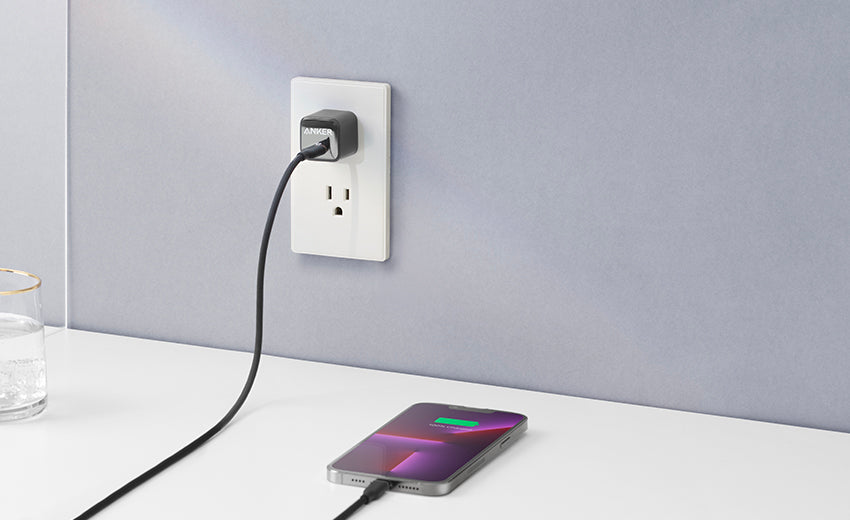
Apple’s standard charging puck has long been a point of friction for watch owners, and the SE 3 is no exception. The magnetic alignment on the stock charger is notoriously finicky; a slight mis‑placement can cause the watch to sit idle, prompting users to constantly adjust the device or resort to a makeshift stand. For a watch that now supports fast‑charging, the inconsistency feels especially jarring.
Third‑party wireless chargers promise a sleeker aesthetic and sometimes even a higher wattage, but they often suffer from the same alignment issues—or worse, they charge at a snail’s pace because they lack Apple’s proprietary magnetic coil design. In 2026, the market is gravitating toward chargers that prioritize magnetic stability and consistent speed over raw power output, integrating seamlessly into desks, nightstands, and travel kits. For SE 3 owners, the takeaway is clear: the watch’s hardware upgrades are only as good as the charging solution that powers them, and many will likely invest in a dedicated, magnet‑optimized charger to fully leverage the fast‑charge capability.
That investment isn’t just about convenience; it’s also about preserving the watch’s battery health over the long term. Fast‑charging cycles can stress lithium‑ion cells if the power delivery isn’t regulated precisely, and a charger that maintains a stable magnetic lock helps ensure the watch receives the intended voltage profile. As the SE 3 aims to be the gateway into Apple’s health ecosystem, a reliable charging experience becomes a silent but essential component of the overall value proposition.
Battery Architecture and the Fast‑Charging Ecosystem
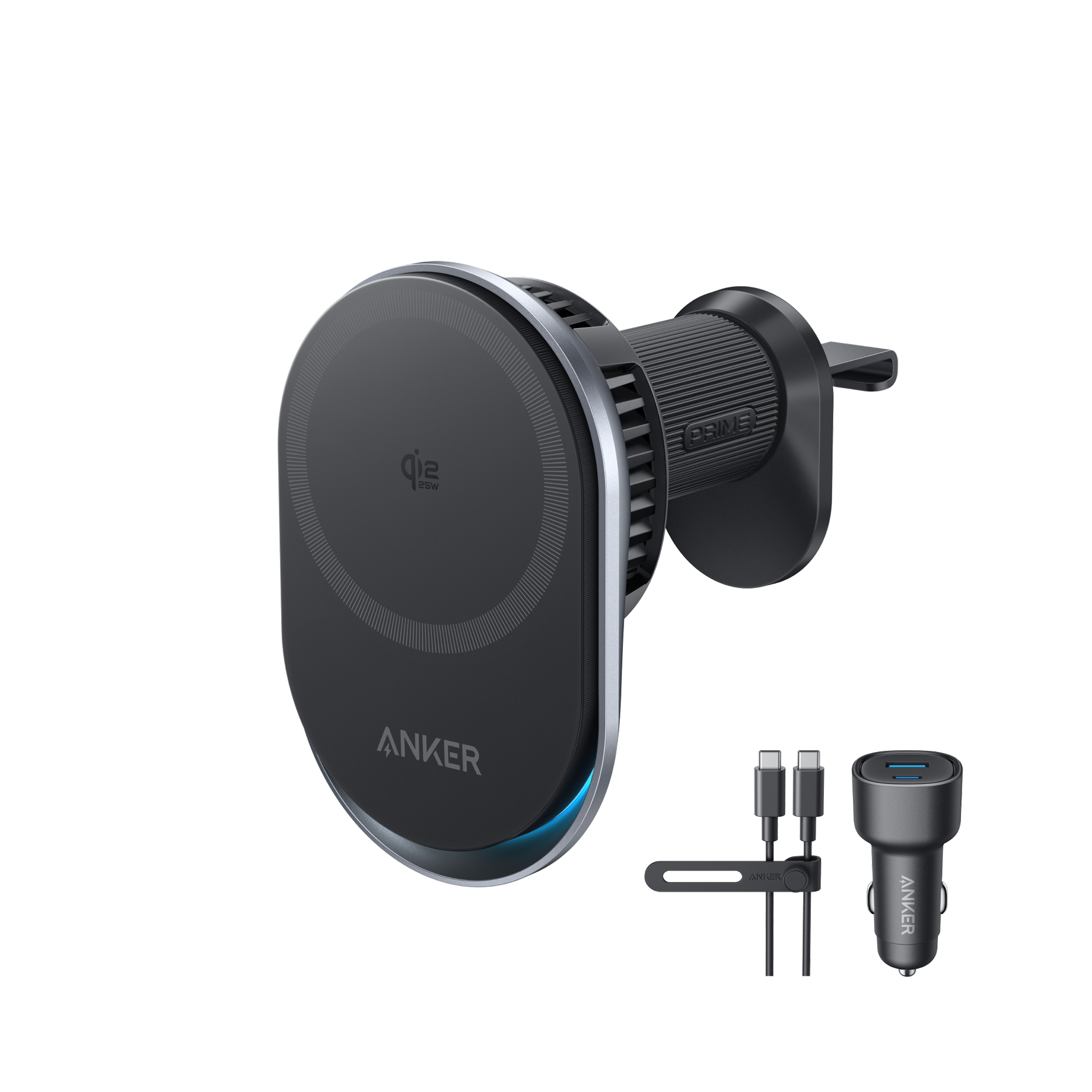
The SE 3’s 30‑minute fast‑charge claim sounds impressive on paper, but its real impact hinges on how users actually power the device. Apple’s proprietary magnetic puck still suffers from the same alignment quirks that have plagued earlier generations – the coil can wobble on uneven surfaces, and the thin cable adds a “dangling‑charger” aesthetic that feels out of place on a tidy nightstand. In practice, most owners pair the watch with a MagSafe‑compatible USB‑C hub or a dedicated charging stand, which stabilises the magnetic connection and frees up desk real‑estate.
From a technical standpoint, the fast‑charging protocol leverages the S10’s improved power‑management unit (PMU). The PMU can draw up to 5 W from a USB‑C source, compared with the 2.5 W ceiling of the S8 era. This higher draw is throttled intelligently: the watch monitors temperature and battery chemistry in real time, scaling back power if it detects any risk of thermal stress. The result is a safe, repeatable 80 % charge in half an hour without the “heat‑spike” warnings that some third‑party chargers have reported.
For travelers, the combination of a compact magnetic puck and a USB‑C cable that plugs into any modern charger means the SE 3 can piggy‑back on a laptop power brick or a portable power bank. The trade‑off is that the magnetic interface still requires a metal surface for optimal alignment, so a simple silicone case can sometimes introduce a micro‑gap that slows the charge. Apple’s newer magnetic charging stand mitigates this by providing a built‑in metal plate, turning a potential nuisance into a tidy charging dock.
Value Matrix: How the SE 3 Stacks Up Against Series 11 and Ultra 3
Apple’s 2024 watch lineup spans a five‑fold price range, yet the feature set is not a linear progression. The table below distils the core differentiators that matter to most buyers.
| Model | Base Price (USD) | Materials | Case Sizes | Cellular | Key Sensors |
|---|---|---|---|---|---|
| Apple Watch SE 3 | 249 | Aluminum only | 40 mm, 44 mm | No | Wrist‑temperature, advanced sleep & ovulation tracking |
| Apple Watch Series 11 | 399 | Aluminum, Titanium, Hermès (leather) | 41 mm, 45 mm | Optional | Blood‑oxygen, ECG, temperature, sleep, ovulation |
| Apple Watch Ultra 3 | 799 | Titanium only | 49 mm | Optional | Depth gauge, dual‑frequency GPS, temperature, ECG, blood‑oxygen |
What the numbers reveal is that the SE 3 delivers a core health suite that rivals the Series 11, but at a price point that makes it the logical entry point for students, first‑time smartwatch owners, and budget‑conscious families. The Series 11’s premium materials and optional cellular connectivity appeal to professionals who need a watch that can stay online without a phone. Meanwhile, the Ultra 3 targets niche markets—outdoor athletes, divers, and extreme‑sport enthusiasts—who value ruggedness and niche sensors over price.
From a total‑cost‑of‑ownership perspective, the SE 3 also shines because it inherits the same watchOS update cadence as its pricier siblings. Apple typically provides five years of major OS updates, meaning a $249 watch bought today will receive the same feature rollouts as a $799 Ultra 3 purchased the same year. This longevity narrows the gap between entry‑level and flagship models, especially for users who care more about software capabilities than case material.
Future‑Proofing the SE 3: Software Roadmap and Ecosystem Synergy
Apple’s strategy of unifying watchOS across all hardware tiers has a twofold benefit. First, developers can write a single app binary that runs on the SE 3, Series 11, and Ultra 3 without worrying about missing APIs. Second, Apple can push advanced health algorithms—like the AI‑driven sleep‑stage detection introduced in watchOS 11—to the SE 3 without a hardware bottleneck, thanks to the S10’s on‑chip neural engine.
Looking ahead to watchOS 12, Apple has hinted at three major enhancements that will directly affect the SE 3:
- On‑device health analytics: More processing will happen locally, reducing reliance on the iPhone for complex calculations. The S10’s neural engine is already capable of handling these workloads, which translates to faster insights and reduced data‑transfer latency.
- Adaptive UI scaling: The always‑on display will become context‑aware, dimming further when ambient light is low and brightening when the user raises their wrist. This adaptive scaling is designed to stretch battery life beyond the current 18‑hour baseline.
- Expanded third‑party integration: Apple is opening a new “HealthKit Pro” tier that will let certified apps access raw sensor data. The SE 3’s temperature and heart‑rate sensors will be fully exposed, enabling niche fitness apps to deliver more granular coaching.
These software upgrades reinforce the idea that the SE 3 is not a “budget compromise” but rather a platform that will evolve alongside the premium models. For organizations, this means a single procurement policy can cover a wide employee base without creating fragmented support pipelines.
My Take: Why the SE 3 Redefines the Entry‑Level Smartwatch
When Apple introduced the first Watch Series, the SE line was always positioned as a “good‑enough” alternative. The SE 3 shatters that perception by delivering a chipset, display, and sensor suite that were previously exclusive to the flagship tier—all while staying under $250. The fast‑charging workflow, though still dependent on Apple’s magnetic puck, is now practical enough for daily use thanks to the higher‑power USB‑C ecosystem that most users already own.
From a market perspective, the SE 3 forces competitors to rethink their pricing strategies. The gap between entry‑level and premium is now so narrow that price becomes the primary differentiator, not feature parity. This could accelerate the adoption of advanced health monitoring across the broader consumer base, a win for public health initiatives that rely on wearable data.
In practice, the SE 3 is the watch I’d recommend to anyone who wants a seamless Apple ecosystem experience without the premium price tag. Its combination of the S10’s performance headroom, always‑on convenience, and a robust health sensor suite makes it a future‑ready device that will stay relevant for years. For power users, the Series 11 and Ultra 3 still hold niche advantages, but the SE 3 now stands as a compelling “best‑value” proposition that could reshape Apple’s smartwatch narrative for the next generation.

