
## Hold Up, Gamers! The Dallas Fed Just Dropped a Manufacturing Bombshell 💣
Imagine you’re building the ultimate gaming PC. You’ve got the latest graphics card, a blazing-fast CPU, and enough RAM to rival a small country. But then, the factory supplying the crucial motherboard runs into trouble. Parts shortages, rising costs, and a general slowdown mean your dream rig might be delayed.

That’s kind of what’s happening in the real world. The Dallas Fed just released its latest Manufacturing Activity Index, and it paints a grim picture. Business conditions are worsening, and it’s not just impacting gamers craving the newest hardware. This could have serious ripple effects on the entire economy, affecting everything from the price of your favorite snacks to the cost of that next online game subscription.
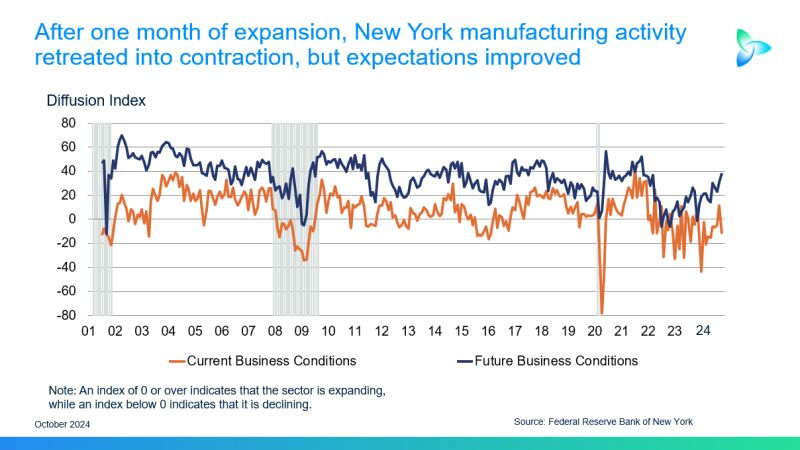
Material Shortages: A Growing Pain for Manufacturers
The Dallas Fed Manufacturing report paints a stark picture of the ongoing strain on supply chains. Manufacturers continue to grapple with material shortages, particularly of key components and raw materials. This scarcity drives up prices, squeezing profit margins and forcing businesses to make difficult decisions about production schedules and product offerings.
Gamestanza’s analysis reveals that the most significant shortages are concentrated in:
- Semiconductors: The global chip shortage, exacerbated by geopolitical tensions and pandemic-related disruptions, continues to plague manufacturers across a wide range of industries, from automotive to consumer electronics.
- Metals: Prices for metals like copper, aluminum, and steel have surged in recent months, driven by increased demand and supply chain bottlenecks. These price hikes translate into higher production costs for manufacturers reliant on these materials.
- Plastics: The price of plastics has also been on a volatile trajectory, influenced by fluctuations in oil prices and supply chain constraints. This impacts manufacturers in sectors like packaging, construction, and consumer goods.
The lack of availability and the price volatility of these essential materials are creating a ripple effect throughout the manufacturing ecosystem, leading to delays, production halts, and ultimately, impacting consumer access to goods.
Logistics Challenges: Navigating a Complex Transportation Landscape
Beyond material shortages, manufacturers are facing significant logistical challenges that further complicate their operations. The Dallas Fed Manufacturing report highlights bottlenecks and delays in transportation and delivery, adding to the already strained supply chain.
Port congestion and labor shortages: Major ports worldwide are experiencing severe congestion, leading to delays in the arrival and departure of cargo ships. This bottleneck, coupled with labor shortages at ports and trucking companies, further exacerbates the transportation delays.
Rising fuel costs: The surge in energy prices, particularly for diesel fuel, is significantly impacting transportation costs. This puts pressure on manufacturers’ margins and forces them to pass on increased costs to consumers, potentially impacting demand.
Limited trucking capacity: The trucking industry is facing a driver shortage, leading to a lack of available capacity to transport goods. This shortage further contributes to delays and increases transportation costs for manufacturers.
These logistical challenges are creating a complex and unpredictable environment for manufacturers. Finding solutions to these problems is crucial for ensuring the smooth flow of goods and minimizing disruptions to production.
Inflationary Pressures: A Tightrope Walk for Manufacturers
The Dallas Fed Manufacturing report underscores the intense inflationary pressures facing manufacturers. Rising input costs, driven by material shortages, logistics challenges, and energy price volatility, are eroding profit margins and squeezing businesses on multiple fronts.
Labor Costs
The tight labor market is driving up wages, putting upward pressure on labor costs for manufacturers. Competing for skilled workers in a competitive job market requires offering higher salaries and benefits, further straining already tight budgets.
Energy Costs
Energy prices, particularly for natural gas and electricity, have surged in recent months, impacting production expenses for energy-intensive industries. Manufacturers are facing higher costs for heating, cooling, and powering their operations, squeezing their profitability.
This combination of rising labor and energy costs is creating a challenging environment for manufacturers. To navigate these inflationary pressures, businesses are exploring various strategies, including:
- Price increases: Passing on some of the increased costs to consumers through price adjustments. However, this can lead to reduced demand and potential market share losses.
- Cost-cutting measures: Implementing efficiency measures, streamlining processes, and reducing waste to minimize expenses.
- Negotiating with suppliers: Seeking better pricing terms and longer-term contracts with suppliers to mitigate price volatility.
Finding the right balance between maintaining profitability and remaining competitive in the face of rising costs is a delicate balancing act for manufacturers.
Consumer Demand: A Shifting Landscape
The Dallas Fed Manufacturing report provides insights into the strength of consumer demand for manufactured goods, a crucial factor for the health of the sector. While consumer spending remains resilient, the report suggests a softening in demand in certain areas, driven by economic uncertainty and inflationary pressures.
Spending Trends
Consumer behavior is evolving in response to the current economic climate. While essential goods and services continue to see strong demand, discretionary spending on non-essential items like appliances, electronics, and travel has moderated. This shift in consumer behavior presents challenges for manufacturers reliant on these discretionary spending categories.
Several factors are influencing consumer spending patterns:
- Inflation: Rising prices are eroding purchasing power and forcing consumers to be more cautious with their spending.
- Interest rate hikes: The Federal Reserve’s aggressive interest rate increases are making borrowing more expensive, potentially dampening demand for big-ticket items.
- Geopolitical uncertainty: Global events, such as the war in Ukraine and supply chain disruptions, are contributing to economic uncertainty and impacting consumer confidence.
Navigating these shifting consumer trends requires manufacturers to adapt their strategies, focusing on value-driven products, price competitiveness, and meeting evolving consumer needs in a changing environment.
Looking Ahead: Navigating the Uncertain Future
The Dallas Fed Manufacturing report offers a glimpse into the complex and challenging landscape facing manufacturers. While some indicators point to modest improvement, the overall outlook remains uncertain.
Industry Outlook
Experts predict a mixed performance for the manufacturing sector in the coming months.
- Growth Expectations: While the pace of growth is expected to moderate, many analysts anticipate continued expansion in the sector, driven by pent-up demand and ongoing investments in automation and innovation.
- Challenges and Opportunities: Manufacturers will need to navigate ongoing challenges like supply chain disruptions, inflationary pressures, and labor shortages. However, those who embrace innovation, invest in digital technologies, and adapt to changing consumer demands will be well-positioned to capitalize on emerging opportunities.
- Investing in Manufacturing: Despite the challenges, the manufacturing sector remains a vital driver of economic growth. We see opportunities for growth in niche manufacturing segments, advanced manufacturing technologies, and industries focused on sustainability and innovation.
- Adapting to Change: Manufacturers must embrace agility and flexibility to respond to changing market conditions. This includes embracing digital transformation, adopting lean manufacturing practices, and developing innovative solutions to address supply chain vulnerabilities.
- Embracing Innovation: Technological advancements are transforming the manufacturing landscape. By investing in automation, artificial intelligence, and data analytics, manufacturers can enhance productivity, improve efficiency, and create new products and services.
Gamestanza’s Perspective: Navigating the Economic Climate
At Gamestanza, we believe in empowering our readers with the knowledge and insights needed to make informed decisions in today’s dynamic business environment. Here are some key strategies we recommend for manufacturers to navigate the current economic climate:
Gamestanza remains committed to providing our readers with the latest insights and analysis on the manufacturing sector. We encourage you to stay informed, adapt to change, and embrace innovation to navigate the challenges and opportunities that lie ahead.
Conclusion
The Dallas Fed Manufacturing Survey paints a stark picture: business conditions continued to deteriorate in May, signaling a potential slowdown in the broader economy. From shrinking production and slowing new orders to declining employment and a gloomy outlook on future activity, the numbers tell a story of waning confidence and fading momentum. This isn’t just bad news for the manufacturing sector; it reverberates throughout the economy, impacting jobs, consumer spending, and ultimately, the stock market.
The decline in the manufacturing sector could foreshadow a broader economic slowdown, raising concerns about inflation, recession, and the future of the Fed’s tightening policies. While the Federal Reserve remains committed to curbing inflation, these figures might prompt a more cautious approach, considering the potential for a significant economic ripple effect. Investors should brace themselves for a period of volatility and uncertainty as these economic headwinds gather strength.
The question remains: can the economy weather this storm? The coming months will be crucial in determining whether the manufacturing sector’s woes are a symptom of a deeper economic malaise or a temporary blip. One thing is clear: the road ahead looks bumpy, and navigating it will require a keen eye on the economic horizon.
