
## Citi’s Banking Gamble: Trading Warsaw for What?
Big news hitting the financial world! Citigroup, the banking giant known for its global reach, is pulling out of Poland’s consumer banking market. They’re calling it a “strategic refresh,” but is it a sign of changing times in the gaming industry too?
As gamers, we know that sometimes the best strategy involves knowing when to fold ’em. Could Citi’s move signal a shift in the way banks see the potential of digital currencies and blockchain technology?
Let’s dive into the details and see if this banking shakeup has any implications for our favorite games and the future of virtual economies.The Banamex IPO: A Stepping Stone to Value Creation and Growth
Citi’s recent announcement to sell its Polish consumer banking business marks a significant step in the bank’s strategic refresh. This move is part of a broader effort to simplify the firm and focus on its core strengths. As part of this strategy, Citi is actively working on the proposed IPO of Grupo Financiero Banamex, which is expected to be a major milestone for the bank.
The IPO of Banamex, a Mexican bank, is a strategic move by Citi to unlock value from its Mexican operations. The bank has a long history in Mexico, dating back to 1899, and has a significant presence in the country. With the IPO, Citi aims to create a separate entity that can operate independently and focus on its retail banking business.
The Banamex IPO is not just a domestic affair; it has significant implications for Citi’s global operations. The bank’s commitment to its Mexican operations is unwavering, and the IPO is expected to be a key driver of growth for the bank. As Jane Fraser, Citi CEO, said, “This separation represents an important milestone in our simplification and brings us closer to our long-term vision of a more connected bank that is focused around our core strengths.”
The IPO of Banamex is expected to be a significant event in the banking industry. With a history dating back to 1899, Banamex has a strong presence in Mexico and a loyal customer base. The bank’s digital-first mentality, innovative online banking, and extensive network of branches and ATMs make it an attractive investment opportunity. The IPO is expected to be a major milestone for Citi, and its success will be closely watched by the banking industry.
The Banamex IPO is a testament to Citi’s commitment to its Mexican operations. The bank’s decision to spin off Banamex into a separate entity is a strategic move to unlock value from its Mexican business. With the IPO, Citi aims to create a separate entity that can operate independently and focus on its retail banking business. This move is expected to be a key driver of growth for Citi and its Mexican operations.
As Citi continues to navigate the challenges of the banking industry, the Banamex IPO is a significant step in the bank’s strategic refresh. With a strong presence in Mexico and a loyal customer base, Banamex is an attractive investment opportunity. The IPO is expected to be a major milestone for Citi, and its success will be closely watched by the banking industry.
Navigating the Challenges: Opportunities and Risks Amidst Change
Regulatory Considerations: Striking a Balance Between Innovation and Oversight
Regulatory considerations are a significant challenge for banks as they navigate the complexities of fintech collaborations. With the increasing number of fintech partnerships, banks must balance innovation with oversight to ensure compliance with regulatory requirements. This requires a deep understanding of regulatory frameworks and a willingness to adapt to changing regulations.
According to a recent survey, 44% of credit unions and 26% of banks perceive fintech partnerships as robust accelerators of growth. However, for banks to truly benefit from these partnerships, they must adeptly navigate the labyrinth of regulatory complexities. This requires a strategic approach to regulatory compliance, including the establishment of clear engagement models and shared accountability.
The regulatory landscape is constantly evolving, and banks must be prepared to adapt to changing regulations. This requires a deep understanding of regulatory frameworks and a willingness to innovate. By striking a balance between innovation and oversight, banks can unlock the full potential of fintech collaborations and drive growth.
The rise of fintech collaborations has created a new era of regulatory complexity for banks. With the increasing number of partnerships, banks must navigate a complex web of regulations to ensure compliance. This requires a strategic approach to regulatory compliance, including the establishment of clear engagement models and shared accountability.
According to a recent survey, only 21% of banks reported having the requisite agility in their systems for effective collaboration, and only 6% have realized the desired return on investment from these partnerships. This stark statistic underscores the urgent need for banks to revolutionize their systems and processes to fully exploit fintech collaborations.
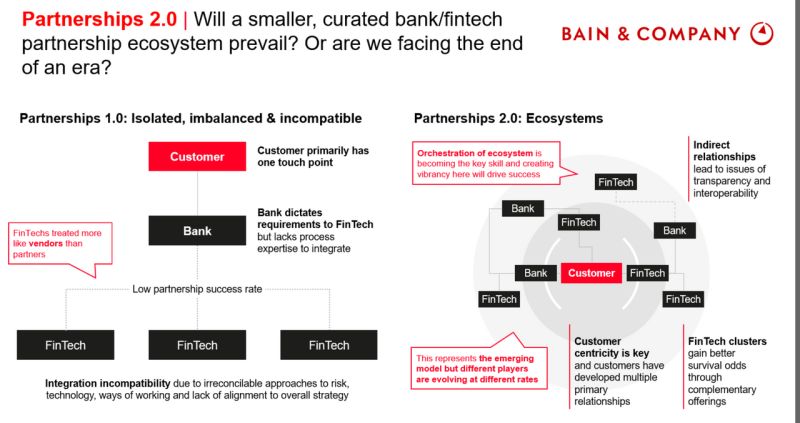
A case in point is Bank of America’s CashPro team, which has refined its partnership approach with fintechs, zeroing in on customer-centric strategies that streamline integration and significantly enhance client experiences. This evolving partnership paradigm underscores the importance of shared accountability and strategic alignment, thereby fostering a more nimble financial ecosystem.
Talent Acquisition and Retention: Attracting and Retaining Top Talent in a Dynamic Market
Talent acquisition and retention are critical components of a bank’s success in the fintech era. With the increasing demand for skilled professionals, banks must be prepared to attract and retain top talent to stay competitive. This requires a strategic approach to talent management, including the development of a robust talent pipeline and the creation of an engaging work environment.
According to a recent survey, 44% of credit unions and 26% of banks perceive fintech partnerships as robust accelerators of growth. However, for banks to truly benefit from these partnerships, they must adeptly navigate the labyrinth of regulatory complexities. This requires a strategic approach to talent management, including the development of a robust talent pipeline and the creation of an engaging work environment.
The fintech era has created a new landscape for talent acquisition and retention. With the increasing demand for skilled professionals, banks must be prepared to attract and retain top talent to stay competitive. This requires a strategic approach to talent management, including the development of a robust talent pipeline and the creation of an engaging work environment.
According to a recent survey, only 21% of banks reported having the requisite agility in their systems for effective collaboration, and only 6% have realized the desired return on investment from these partnerships. This stark statistic underscores the urgent need for banks to revolutionize their systems and processes to fully exploit fintech collaborations.
A case in point is Bank of America’s CashPro team, which has refined its partnership approach with fintechs, zeroing in on customer-centric strategies that streamline integration and significantly enhance client experiences. This evolving partnership paradigm underscores the importance of shared accountability and strategic alignment, thereby fostering a more nimble financial ecosystem.
Customer Experience: Ensuring Seamless Transitions and Maintaining Trust
Embracing Innovation and Technology to Enhance Customer Experience
The customer experience is a critical component of a bank’s success in the fintech era. With the increasing number of fintech partnerships, banks must be prepared to deliver seamless transitions and maintain trust with their customers. This requires a strategic approach to customer experience, including the development of innovative solutions and the adoption of new technologies.
According to a recent survey, 44% of credit unions and 26% of banks perceive fintech partnerships as robust accelerators of growth. However, for banks to truly benefit from these partnerships, they must adeptly navigate the labyrinth of regulatory complexities. This requires a strategic approach to customer experience, including the development of innovative solutions and the adoption of new technologies.
The fintech era has created a new landscape for customer experience. With the increasing number of fintech partnerships, banks must be prepared to deliver seamless transitions and maintain trust with their customers. This requires a strategic approach to customer experience, including the development of innovative solutions and the adoption of new technologies.
According to a recent survey, only 21% of banks reported having the requisite agility in their systems for effective collaboration, and only 6% have realized the desired return on investment from these partnerships. This stark statistic underscores the urgent need for banks to revolutionize their systems and processes to fully exploit fintech collaborations.
A case in point is Bank of America’s CashPro team, which has refined its partnership approach with fintechs, zeroing in on customer-centric strategies that streamline integration and significantly enhance client experiences. This evolving partnership paradigm underscores the importance of shared accountability and strategic alignment, thereby fostering a more nimble financial ecosystem.
Gamestanza’s Take: What This Means for the Future
The Rise of Specialized Financial Institutions: A Trend Across the Globe?
The Banamex IPO is a significant event in the banking industry, and its success will be closely watched by the banking industry. The trend of specialized financial institutions is on the rise across the globe, with banks like Citi and Bank of America spinning off their retail banking businesses into separate entities. This trend is driven by the need for banks to focus on their core strengths and unlock value from their operations.
The rise of specialized financial institutions is a significant trend in the banking industry. With banks like Citi and Bank of America spinning off their retail banking businesses into separate entities, the trend is expected to continue. This trend is driven by the need for banks to focus on their core strengths and unlock value from their operations.
The Banamex IPO is a testament to Citi’s commitment to its Mexican operations. The bank’s decision to spin off Banamex into a separate entity is a strategic move to unlock value from its Mexican business. With the IPO, Citi aims to create a separate entity that can operate independently and focus on its retail banking business.
The trend of specialized financial institutions is expected to continue, with more banks spinning off their retail banking businesses into separate entities. This trend is driven by the need for banks to focus on their core strengths and unlock value from their operations.
The Evolving Role of Technology in Banking: Embracing Innovation for Success
The Importance of Digital Transformation in Banking
The role of technology in banking is evolving rapidly, with fintech collaborations and digital transformation becoming increasingly important for banks. With the increasing number of fintech partnerships, banks must be prepared to adopt new technologies and innovate to stay competitive. This requires a strategic approach to digital transformation, including the development of innovative solutions and the adoption of new technologies.
According to a recent survey, 44% of credit unions and 26% of banks perceive fintech partnerships as robust accelerators of growth. However, for banks to truly benefit from these partnerships, they must adeptly navigate the labyrinth of regulatory complexities. This requires a strategic approach to digital transformation, including the development of innovative solutions and the adoption of new technologies.
The fintech era has created a new landscape for digital transformation in banking. With the increasing number of fintech partnerships, banks must be prepared to adopt new technologies and innovate to stay competitive. This requires a strategic approach to digital transformation, including the development of innovative solutions and the adoption of new technologies.
A case in point is Bank of America’s CashPro team, which has refined its partnership approach with fintechs, zeroing in on customer-centric strategies that streamline integration and significantly enhance client experiences. This evolving partnership paradigm underscores the importance of shared accountability and strategic alignment, thereby fostering a more nimble financial ecosystem.
The Importance of Strategic Partnerships: Collaboration as a Key Driver of Growth
Unlocking the Full Potential of Fintech Collaborations
Strategic partnerships are a critical component of a bank’s success in the fintech era. With the increasing number of fintech collaborations, banks must be prepared to collaborate effectively to unlock the full potential of these partnerships. This requires a strategic approach to partnerships, including the development of clear engagement models and shared accountability.
According to a recent survey, 44% of credit unions and 26% of banks perceive fintech partnerships as robust accelerators of growth. However, for banks to truly benefit from these partnerships, they must adeptly navigate the labyrinth of regulatory complexities. This requires a strategic approach to partnerships, including the development of clear engagement models and shared accountability.
The fintech era has created a new landscape for strategic partnerships in banking. With the increasing number of fintech collaborations, banks must be prepared to collaborate effectively to unlock the full potential of these partnerships. This requires a strategic approach to partnerships, including the development of clear engagement models and shared accountability.
A case in point is Bank of America’s CashPro team, which has refined its partnership approach with fintechs, zeroing in on customer-centric strategies that streamline integration and significantly enhance client experiences. This evolving partnership paradigm underscores the importance of shared accountability and strategic alignment, thereby fostering a more nimble financial ecosystem.
Conclusion
So, Citi is pulling the plug on its Polish consumer banking operations. This move, part of a larger “strategic refresh” as they call it, sees the bank retreating from 13 markets globally. Essentially, Citi is focusing on where they can truly thrive – wealth management, institutional clients, and specific markets with high growth potential. While Poland has been a solid market for them, it seems the bank believes they can generate a higher return elsewhere.
This isn’t just about Citi re-organizing. It’s a ripple effect across the financial landscape. Smaller players in Poland might see an opportunity to snatch up market share, while larger international banks might be wary of Citi’s potential exit from other markets. It also raises the question: what does this mean for consumers in Poland? Will they face increased competition, higher prices, or a shift in the services offered?
Ultimately, Citi’s decision to leave Poland is a bold gamble, a bet on future profitability over established presence. Only time will tell if this “strategic refresh” will lead to a financial revival or leave a void in the Polish banking sector. One thing’s for sure: the financial world is constantly evolving, and this move is a clear sign that the game is changing.
